
How to Build a Winning Investment Strategy for WGHS: A Step-by-Step Framework

Investment strategy blueprint

The difference between teams that advance to the semifinals — and those that do not — often comes down to one thing: the quality of their investment strategy. In the Wharton Global High School Investment Competition (WGHS), having a brilliant strategy is not enough. You need a winning strategy — one that is deeply rooted in your client's needs, supported by rigorous research, and clearly communicated in your report and presentation.

But how do you build a winning strategy from scratch? What framework should you follow? And what separates a good strategy from a great one?

In this article, we break down the step-by-step process that top-performing WGHS teams use to build their investment strategies. Whether you are competing for the first time or looking to elevate your team's performance, this framework will give you a clear, actionable roadmap to follow.

Step 1: Deep-Dive Into Your Client's Profile

Understanding client needs

The foundation of every winning WGHS strategy is a deep understanding of the client. Before you look at a single stock or think about asset allocation, you need to know your client inside and out.

What to Analyze

  • Primary Financial Goal: Is your client saving for retirement, a child's education, a home purchase, or wealth preservation? This is the single most important factor driving your strategy.
  • Risk Tolerance: Is your client conservative, moderate, or aggressive? How would they react to a 20% market downturn? Understanding their psychological comfort with risk is critical.
  • Time Horizon: How many years until your client needs the money? A 25-year-old saving for retirement has a very different time horizon than a 60-year-old nearing retirement.
  • Income and Expenses: What is your client's current income? What are their ongoing financial obligations? This affects their ability to take risks and their need for income-generating assets.
  • Special Circumstances: Are there any ethical preferences (ESG considerations), tax implications, or personal circumstances that should influence your strategy?

How to Use This Information

Create a client profile summary that your entire team can reference throughout the competition. Every investment decision you make should trace back to this profile. If a team member suggests a stock that does not align with the client's needs, use the profile as your objective reference point.

Step 2: Define Your Investment Philosophy

Before you start picking stocks, your team needs to agree on an overarching investment philosophy — a set of guiding principles that will shape every decision you make.

Key Questions to Answer

  • Active vs. Passive: Will you focus on actively selecting individual stocks, or will you rely more on index funds and ETFs for broad market exposure?
  • Growth vs. Value: Will you prioritize companies with high growth potential, or will you focus on undervalued companies with strong fundamentals?
  • Concentrated vs. Diversified: Will you hold a smaller number of high-conviction positions, or will you spread your investments across many securities?
  • Top-Down vs. Bottom-Up: Will you start with macroeconomic analysis and work down to specific stocks, or will you focus on individual company fundamentals?

Why This Matters

Your investment philosophy is the thread that ties your entire strategy together. Judges want to see a coherent, logical approach — not a collection of random stock picks. When you can clearly articulate your philosophy and explain how it serves your client's needs, you demonstrate the kind of strategic thinking that Wharton values.

Step 3: Determine Your Target Asset Allocation

Asset allocation pie chart

Asset allocation — the process of deciding how to divide your portfolio across different asset classes — is one of the most important strategic decisions you will make. Research shows that asset allocation is the primary driver of portfolio performance and risk.

How to Approach Asset Allocation

Start by considering your client's profile:

  • Young Professional (25–35 years old, long time horizon): May warrant a more aggressive allocation, such as 80% equities, 15% bonds, 5% cash
  • Mid-Career Professional (40–55 years old, moderate time horizon): May benefit from a balanced allocation, such as 60% equities, 30% bonds, 10% cash
  • Near-Retiree (60+ years old, short time horizon): May require a conservative allocation, such as 40% equities, 50% bonds, 10% cash

Within Equities, Consider

  • Domestic vs. International: How much exposure do you want to non-U.S. markets?
  • Large-Cap vs. Small-Cap: Large-cap stocks tend to be more stable; small-cap stocks offer higher growth potential but more volatility
  • Sector Allocation: Technology, healthcare, financials, consumer goods, energy — how will you distribute your equity holdings across sectors?

Document Your Rationale

For your investment strategy report, you will need to clearly explain why you chose your target allocation. Connect every decision back to your client's goals, risk tolerance, and time horizon. Judges want to see that your allocation is intentional, not arbitrary.

Step 4: Select Individual Holdings

Research and analysis process

With your asset allocation framework in place, it is time to select specific stocks, ETFs, and mutual funds for your portfolio. This is where your team's research skills and financial knowledge will be put to the test.

For Each Holding, Document

  • Why This Security: What makes this stock, ETF, or fund a good fit for your portfolio? How does it serve your client's needs?
  • Role in the Portfolio: What purpose does this holding serve? Is it for growth, income, diversification, risk management, or some combination?
  • Key Financial Metrics: Support your decision with data — P/E ratio, dividend yield, earnings growth, revenue growth, beta, market capitalization, etc.
  • Risks: What are the potential downsides of this holding? How are you mitigating those risks?
  • Alternatives Considered: What other securities did you consider, and why did you choose this one over them?

Research Best Practices

  • Use Multiple Sources: Do not rely on a single analyst report or news article. Cross-reference information from financial databases, company filings, and reputable financial news outlets.
  • Focus on Fundamentals: While market sentiment and short-term trends can be tempting, base your decisions on solid financial fundamentals.
  • Think Long-Term: WGHS is not about short-term trading. Choose securities that you believe will perform well over the entire 8-week trading period (and beyond).

Step 5: Build a Risk Management Plan
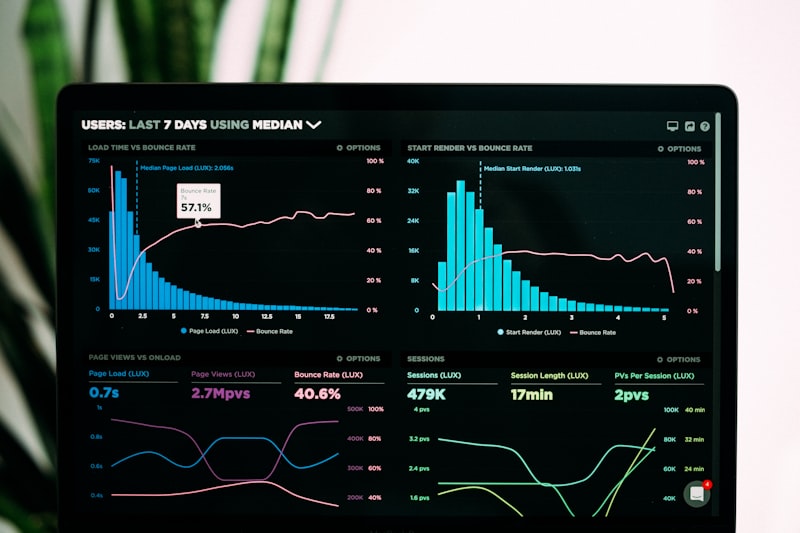
Risk management framework

One of the most important — and most overlooked — aspects of a winning WGHS strategy is risk management. Judges want to see that you have thought carefully about potential downsides and have a plan to address them.

Types of Risk to Consider

  • Market Risk: The risk that overall market conditions will negatively affect your portfolio. How diversified are you across sectors and geographies?
  • Concentration Risk: The risk that too much of your portfolio is tied to a single security, sector, or region. Are there any holdings that represent an outsized portion of your portfolio?
  • Liquidity Risk: The risk that you may not be able to sell a security quickly if needed. Are you holding any securities with low trading volumes?
  • Currency Risk: If you hold international securities, how would changes in exchange rates affect your portfolio?
  • Interest Rate Risk: How would changes in interest rates affect your bond holdings and your equity positions?

How to Address These Risks

  • Diversification: Spread your holdings across asset classes, sectors, and geographies
  • Position Sizing: Avoid putting too much of your portfolio into any single holding
  • Rebalancing: Periodically review your portfolio and adjust holdings to maintain your target allocation
  • Stop-Loss Considerations: While WInS does not support automated stop-loss orders, you can set manual thresholds for when you would consider selling a position
  • Scenario Analysis: Think through how your portfolio would perform under different market conditions (e.g., a market crash, a spike in interest rates, a sector-specific downturn)

Document Your Risk Management Approach

In your investment strategy report, dedicate a full section to explaining your risk management plan. Judges want to see that you have thought proactively about potential challenges and have strategies in place to address them.

Step 6: Monitor, Adjust, and Document

Monitoring and adjusting strategy

Once your portfolio is built, your work is not done. The 8-week trading period is a dynamic environment, and you will need to monitor your holdings, respond to market developments, and make adjustments as needed.

Weekly Review Process

  • Review Portfolio Performance: How is your portfolio performing relative to your expectations? Are there any holdings that are significantly outperforming or underperforming?
  • Monitor Market News: Stay informed about major economic developments, earnings reports, and geopolitical events that could affect your holdings.
  • Assess Client Alignment: Does your portfolio still align with your client's needs and risk profile? If market movements have caused your allocation to drift, consider rebalancing.
  • Document All Changes: For every trade you make, write down the rationale. This will be invaluable when you write your report.

When to Make Adjustments

  • Significant Market Events: If a major event (earnings miss, regulatory change, geopolitical crisis) fundamentally changes the outlook for a holding, consider adjusting your position.
  • Portfolio Drift: If your asset allocation has drifted significantly from your target due to market movements, rebalance to maintain your strategic alignment.
  • New Opportunities: If you identify a new security that better serves your client's needs, consider making a change — but only after thorough research and analysis.

Avoid Overtrading

One of the most common mistakes teams make is trading too frequently. Every trade should be deliberate and well-considered. If you cannot explain why you are making a trade in one or two sentences, you probably should not be making it.

Step 7: Communicate Your Strategy Clearly

The final — and perhaps most important — step is communicating your strategy clearly in your investment strategy report and (if you advance) your presentation. A brilliant strategy that is poorly communicated will not impress judges.

Writing Your Report

  • Start with the Client: Open your report by clearly summarizing your client's profile, goals, and constraints. This sets the stage for everything that follows.
  • Explain Your Philosophy: Clearly articulate your investment philosophy and how it serves your client's needs.
  • Walk Through Your Allocation: Explain your asset allocation decisions and the rationale behind them.
  • Detail Your Holdings: For each major holding, explain why you chose it, what role it plays in your portfolio, and what risks you are monitoring.
  • Highlight Your Risk Management: Dedicate a section to explaining how you identified and mitigated risks throughout the competition.
  • Use Clear, Professional Language: Avoid jargon unless you explain it. Write for an educated but non-specialist audience.

Presenting Your Strategy

  • Tell a Story: Structure your presentation as a narrative — who is your client, what challenges did they face, and how did your team help them achieve their goals?
  • Use Visuals Effectively: Charts, graphs, and tables should enhance your message — not distract from it. Keep slides clean, professional, and easy to read.
  • Practice Extensively: Rehearse your presentation until every team member can deliver their portion confidently and smoothly.
  • Anticipate Questions: Judges will challenge your assumptions. Be ready to explain why you made specific decisions and how you would respond to different market scenarios.

Final Thoughts: Strategy Is Everything

In WGHS, strategy is not just important — it is everything. The teams that succeed are not the ones with the highest returns or the most sophisticated stock picks. They are the ones who build a coherent, client-focused strategy, execute it with discipline, and communicate it with clarity.

By following this step-by-step framework, you and your team will be well-positioned to build a winning investment strategy. Remember: start with the client, think strategically, manage risk proactively, and communicate clearly. If you do these things, you will not just compete in WGHS — you will excel.

Ready to put this framework into action? Visit the official Wharton Global Youth Programs website at global.youthprograms.wharton.upenn.edu to register your team and start building your winning strategy.

WGHS vs Other High School Finance Competitions: A Comprehensive Comparison

Comparison of finance competitions

High school students interested in finance, business, and economics have no shortage of competitions to choose from. From DECA and FBLA to the SIFMA Foundation Stock Market Game and the National Economics Challenge, there are plenty of opportunities to test your skills, build your resume, and stand out in college admissions.

But among all these options, the Wharton Global High School Investment Competition (WGHS) consistently stands out as one of the most prestigious, rigorous, and globally recognized programs available. If you are trying to decide which competitions are worth your time — or if you have heard about WGHS and want to understand how it compares to other options — this article is for you.

In this comprehensive comparison, we will examine WGHS alongside four other popular high school finance and business competitions, highlighting the key differences in format, focus, prestige, and long-term value. By the end, you will have a clear understanding of what makes WGHS unique — and why it should be at the top of your list.

推荐

The Contenders: What We Are Comparing

Before we dive into the details, here is a quick overview of the five competitions we will be comparing:

Wharton Global High School Investment Competition (WGHS) — Hosted by the Wharton School of the University of Pennsylvania

DECA Inc. — A global nonprofit association that prepares emerging leaders and entrepreneurs in marketing, finance, hospitality, and management

FBLA (Future Business Leaders of America) — One of the largest business career and technical student organizations in the world

SIFMA Foundation Stock Market Game — An online simulation of the global capital markets, sponsored by the SIFMA Foundation

National Economics Challenge (NEC) — Organized by the Council for Economic Education, this is the premier economics competition for high school students in the United States

Each of these competitions has its own strengths and appeals to different types of students. Let us break them down.

1. Format and Structure: How Do They Work?

Students competing in various formats

WGHS

WGHS is a team-based, online investment simulation that runs over the course of an academic year. Teams of 4 to 7 students use the Wharton Investment Simulator (WInS) to manage a virtual $100,000 portfolio for a fictional client over an 8-week trading period. The competition culminates in a comprehensive investment strategy report and (for semifinalists and finalists) live presentations to Wharton judges.

DECA

DECA is a year-round program with local chapter meetings, regional competitions, and international conferences. Students compete in individual or team events across four career clusters: marketing, finance, hospitality, and management. Competitions include role-plays, case studies, and written business plans.

FBLA

FBLA operates similarly to DECA, with local, state, and national competitions throughout the academic year. Students compete in individual events ranging from public speaking and financial analysis to business planning and computer applications.

SIFMA Foundation Stock Market Game

The Stock Market Game is an online simulation similar to WGHS, but with a narrower focus. Teams of students manage a virtual portfolio over a 10-week period, trading stocks, bonds, and mutual funds. The emphasis is primarily on financial returns rather than client-focused strategy.

National Economics Challenge (NEC)

NEC is a knowledge-based competition that tests students' understanding of economic theory, current events, and problem-solving. Teams of four compete in multiple rounds, answering questions and solving case studies. The format is more like an academic olympiad than a simulation.

Key Takeaway: WGHS is unique in its client-focused, simulation-based approach. Unlike DECA and FBLA, which cover a broad range of business topics, WGHS dives deep into investment management. Unlike the SIFMA Stock Market Game, WGHS emphasizes strategy and client alignment over pure returns. And unlike NEC, WGHS is a practical, hands-on experience rather than a test of theoretical knowledge.

2. Prestige and Recognition: Which Carries the Most Weight?

Prestigious awards and recognition

Not all competitions are created equal when it comes to prestige. Here is how they stack up:

WGHS

WGHS is organized by the Wharton School of the University of Pennsylvania, consistently ranked as the number one undergraduate business school in the world. The Wharton brand carries enormous weight in both academic and professional circles. Being a WGHS semifinalist or finalist is a globally recognized achievement that immediately signals intellectual ability, strategic thinking, and genuine interest in finance to college admissions officers.

DECA

DECA is a well-established and respected organization with a 75+ year history. Participation in DECA is widely recognized by colleges and employers, particularly for students interested in marketing, hospitality, or general business. However, because DECA covers such a broad range of topics and has a very large membership, individual achievements may not stand out as much as WGHS.

FBLA

FBLA is the largest business student organization in the world, with hundreds of thousands of members. While FBLA participation is certainly valued by colleges, its size and breadth mean that individual achievements may not carry the same weight as a more selective, specialized competition like WGHS.

SIFMA Foundation Stock Market Game

The Stock Market Game is a solid educational program, but it does not carry the same prestige as WGHS. It is not associated with a top-tier university, and its focus on financial returns (rather than client-focused strategy) makes it less distinctive in the eyes of admissions officers.

National Economics Challenge (NEC)

NEC is a highly respected competition among economics students, particularly in the United States. Winning or placing highly in NEC is a meaningful accomplishment that signals strong analytical and quantitative skills. However, NEC is more narrowly focused on economic theory and less connected to the professional finance world than WGHS.

Key Takeaway: WGHS has a clear edge in prestige due to its association with the Wharton School. For students applying to competitive universities — particularly for business, economics, or finance programs — WGHS is one of the most powerful extracurricular achievements available.

推荐

3. Global Reach: How International Is the Competition?

Global network of participants

WGHS

WGHS is a truly global competition, with participants from over 50 countries and regions. Teams from Asia, Europe, South America, Africa, and North America all compete on equal footing. The Global Finals bring together the best teams from around the world, creating a diverse, international community of young finance talent.

DECA

DECA has a significant international presence, with chapters in multiple countries. However, the majority of its membership and competitions are based in the United States and Canada. The International Career Development Conference (ICDC) is held annually in the U.S. and attracts participants from around the world, but the overall experience is more North America-centric.

FBLA

FBLA is primarily a U.S.-based organization, with the vast majority of its members and competitions in the United States. While FBLA has started to expand internationally in recent years, it is still predominantly an American program.

SIFMA Foundation Stock Market Game

The Stock Market Game is available in the United States and a few other countries, but its reach is limited compared to WGHS. It is not a truly global competition in the way that WGHS is.

National Economics Challenge (NEC)

NEC is primarily a U.S. competition, with some international participation in recent years. However, it is still largely focused on American students and the U.S. economics curriculum.

Key Takeaway: If you are looking for a truly global experience — one that exposes you to peers from diverse cultural and educational backgrounds — WGHS is the clear winner. The international dimension of WGHS is one of its most distinctive and valuable features.

4. Skills Developed: What Will You Actually Learn?

Business students developing skills

WGHS

WGHS develops deep, specialized skills in investment management: portfolio construction, risk assessment, financial analysis, strategic thinking, and client communication. You will learn how to read financial statements, analyze market trends, and build a diversified portfolio that serves a specific client's needs. These are practical, real-world skills that are directly applicable to careers in finance, consulting, and business.

DECA

DECA develops a broad range of business skills: marketing, finance, hospitality, management, public speaking, and leadership. The focus is on versatility and well-roundedness rather than deep specialization. DECA is excellent for students who want to explore multiple areas of business.

FBLA

FBLA develops similar skills to DECA, with a strong emphasis on leadership, public speaking, and practical business skills. FBLA events range from financial analysis to computer applications to entrepreneurial projects, giving students a wide-ranging business education.

SIFMA Foundation Stock Market Game

The Stock Market Game develops basic financial literacy and investing skills: how to read stock quotes, understand market trends, and build a simple portfolio. However, the learning is more superficial than WGHS, as the focus is on returns rather than strategy and client alignment.

National Economics Challenge (NEC)

NEC develops strong analytical and quantitative skills in economics: understanding economic theory, analyzing data, and solving complex problems. NEC is excellent for students interested in economics as an academic discipline, but it is less focused on practical, real-world application than WGHS.

Key Takeaway: If you want deep, specialized skills in investment management, WGHS is unmatched. If you prefer a broader business education, DECA and FBLA are excellent choices. If you are passionate about economics as an academic subject, NEC is the gold standard.

5. College Admissions Impact: Which Looks Best on Applications?

Winner on podium representing achievement

All five competitions can positively impact college applications, but the degree of impact varies:

WGHS

WGHS has a significant impact on college applications, particularly for students applying to competitive business, economics, or finance programs. The Wharton brand, the global scope of the competition, and the rigorous, client-focused nature of the experience make WGHS a standout achievement. Advancing to the semifinals or finals is a powerful differentiator that signals intellectual ability, strategic thinking, and genuine interest in finance.

DECA

DECA is well-regarded by colleges, especially for students interested in marketing, hospitality, or general business. National or international award winners stand out significantly. However, because DECA is so large and broad, individual participation (without major awards) may not be as distinctive as WGHS.

FBLA

FBLA is valued by colleges, particularly for students interested in business leadership. National award winners stand out, but similar to DECA, the sheer size of FBLA means that individual participation may not be as impactful as a more selective competition like WGHS.

SIFMA Foundation Stock Market Game

The Stock Market Game is a solid extracurricular, but it does not carry the same weight as WGHS in college admissions. It is not associated with a top-tier university, and its focus on returns rather than strategy makes it less distinctive.

National Economics Challenge (NEC)

NEC is highly respected by colleges, particularly for students applying to study economics. Winning or placing highly in NEC is a meaningful accomplishment that signals strong analytical skills. However, NEC is more narrowly focused on economic theory and less connected to the professional finance world than WGHS.

Key Takeaway: For students applying to competitive universities — particularly for business, economics, or finance programs — WGHS offers the strongest combination of prestige, rigor, and global recognition. That said, the best choice depends on your specific interests: if you are passionate about economics as an academic subject, NEC may be more appropriate; if you want to explore multiple areas of business, DECA or FBLA may be a better fit.

Summary: Head-to-Head Comparison

Factor WGHS DECA FBLA SIFMA Stock Market Game NEC
Format Online investment simulation Role-plays, case studies, business plans Individual events, public speaking, business projects Online portfolio simulation Knowledge-based competition
Duration Full academic year Year-round Year-round 10 weeks Seasonal (regional → national)
Team Size 4–7 students Varies (individual or team) Individual or team 2–5 students 4 students
Global Reach 50+ countries International (but U.S.-centric) Primarily U.S. U.S. and limited international Primarily U.S.
Prestige Very High (Wharton brand) High (well-established) High (largest organization) Moderate High (among economics students)
Skills Developed Investment management, financial analysis, strategic thinking Broad business skills, leadership, public speaking Leadership, practical business skills, public speaking Basic investing, financial literacy Economic theory, analytical skills
College Admissions Impact Very Strong Strong (especially with awards) Strong (especially with awards) Moderate Strong (especially for economics majors)
Best For Students passionate about finance and investment Students exploring multiple business areas Students interested in business leadership Students wanting basic investing experience Students passionate about economics as an academic discipline

Final Recommendation: Why WGHS Should Be Your Top Choice

If you are a high school student with a genuine interest in finance, business, or economics, WGHS should be at the top of your list. Here is why:

Unmatched Prestige: The Wharton brand carries weight that no other high school finance competition can match.

Global Community: Competing alongside students from 50+ countries gives you a perspective and network that is simply not available in more localized competitions.

Deep, Practical Skills: WGHS teaches you how to think like a professional investment manager — not just how to pick stocks or memorize economic theory.

College Admissions Power: WGHS is one of the strongest extracurricular achievements you can list on a college application, particularly for business, economics, or finance programs.

Transformative Experience: WGHS is not just a competition — it is a learning journey that will challenge you, inspire you, and prepare you for success in college and beyond.

That said, WGHS is not the only valuable competition out there. If you are passionate about economics as an academic subject, consider adding NEC to your list. If you want to explore multiple areas of business, DECA and FBLA are excellent choices. And if you want to complement WGHS with additional finance experience, the SIFMA Stock Market Game can be a good supplement.

But if you had to choose just one — if you wanted the competition that would give you the most prestigious, rigorous, and globally recognized experience — the answer is clear: the Wharton Global High School Investment Competition.

Ready to join the global community of young finance leaders? Visit the official Wharton Global Youth Programs website at global.youthprograms.wharton.upenn.edu to learn more and register your team.

推荐

Inside the WInS Platform: A Student's Guide to Mastering the Wharton Investment Simulator

WInS Platform Overview

If you are preparing for the Wharton Global High School Investment Competition (WGHS), you have probably heard of the Wharton Investment Simulator (WInS) — the proprietary online trading platform that serves as the backbone of the entire competition. But what exactly is WInS? How does it work? And more importantly, how can you and your team use it to build a winning investment strategy?

In this comprehensive technical guide, we take you inside the WInS platform. We will walk you through every major feature, explain how the simulation works, and give you practical tips for maximizing your effectiveness during the 8-week trading period. Whether you are a first-time competitor or a returning participant looking to sharpen your skills, this guide will help you navigate WInS with confidence.

推荐

What Is the WInS Platform?

The Wharton Investment Simulator is a web-based portfolio management tool developed by Wharton Global Youth Programs specifically for the WGHS competition. It is not a generic stock market game — it is a sophisticated simulation designed to mirror the experience of professional investment management.

Here is what makes WInS unique:

Real Market Data: WInS uses real-world stock prices, ETF values, and mutual fund performance data. When you buy or sell a security on WInS, you are transacting at prices that reflect actual market conditions.

Proprietary Universe of Securities: WInS does not include every stock in the market. Instead, it offers a curated selection of stocks, ETFs, and mutual funds across various sectors and asset classes. This ensures that the platform remains manageable for high school students while still providing enough diversity for sophisticated portfolio construction.

Client-Focused Design: Unlike many trading simulators that reward pure speculation, WInS is designed to support the client-focused approach that WGHS is known for. The platform encourages thoughtful, research-driven decision-making rather than impulsive trading.

Integrated Reporting Tools: WInS provides built-in tools for tracking your portfolio performance, analyzing holdings, and generating reports — all of which will be invaluable when you write your investment strategy report.

Getting Started: Your First Login

When the trading period opens in early October, your Faculty Advisor will provide your team with login credentials for the WInS platform. Here is what to expect during your first login:

Step 1: Access the Dashboard

After logging in, you will be taken to your team's main dashboard. This is your command center — the place where you can view your portfolio, execute trades, and access key information. Take some time to explore the dashboard and familiarize yourself with its layout.

Step 2: Review Your Client Profile

Your dashboard will display your team's fictional client profile. This includes details about the client's financial situation, goals, risk tolerance, and time horizon. Read this carefully — every decision you make on WInS should be guided by this profile.

Step 3: Explore the Securities Universe

WInS provides a searchable database of all available securities — stocks, ETFs, and mutual funds. You can filter by sector, asset class, market capitalization, and other criteria. Spend time exploring this universe before the trading period begins so you know what options are available to you.

Step 4: Understand Your Starting Cash

Your team will begin with a virtual $100,000 in cash. This is your total capital, and you will need to decide how to allocate it across different securities. You do not have to invest all of it immediately — holding some cash is a valid strategy, especially if your client's profile calls for a conservative approach.

Executing Trades: How to Buy and Sell

WInS Trading Interface

The trading interface is where you will spend most of your time during the competition. Here is how it works:

Placing a Buy Order

Search for a Security: Use the search bar to find the stock, ETF, or mutual fund you want to buy. You can search by ticker symbol or company name.

Review the Details: Click on the security to view its current price, historical performance, and key metrics (P/E ratio, dividend yield, etc.).

Enter the Quantity: Specify how many shares (or what dollar amount) you want to purchase. WInS will calculate the total cost and show you how much cash you will have remaining after the trade.

Confirm the Trade: Review the details and click "Buy" to execute the trade. The shares will be added to your portfolio immediately.

Placing a Sell Order

Navigate to Your Holdings: Go to the "Portfolio" or "Holdings" section of your dashboard to see what securities you currently own.

Select a Security to Sell: Click on the security you want to sell and specify how many shares you want to liquidate.

Review the Proceeds: WInS will show you the current market value of the shares you are selling and how much cash you will receive.

Confirm the Sale: Click "Sell" to execute the trade. The shares will be removed from your portfolio, and the proceeds will be added to your cash balance.

Important Notes About Trading

Trades Execute at Current Market Prices: WInS uses real-time (or near-real-time) market data, so your trades will execute at prices that reflect actual market conditions.

No Short Selling or Margin Trading: WInS does not allow short selling or trading on margin. You can only buy securities with the cash you have available.

Trading Hours: Trades can typically be placed at any time during the trading period, but they will execute based on market hours. Check the platform for specific timing details.

推荐

Monitoring Your Portfolio

Portfolio Data Analysis

One of the most powerful features of WInS is its portfolio monitoring tools. These allow you to track your performance, analyze your holdings, and make informed decisions throughout the competition.

Portfolio Overview

Your dashboard provides a real-time snapshot of your portfolio, including:

Total Portfolio Value: The current market value of all your holdings plus your cash balance.

Cash Balance: How much uninvested cash you have remaining.

Asset Allocation: A breakdown of how your portfolio is distributed across asset classes (stocks, ETFs, mutual funds, cash).

Sector Exposure: How your portfolio is distributed across different sectors (technology, healthcare, financials, etc.).

Individual Holdings

For each security you own, WInS provides detailed information, including:

Number of shares owned

Average purchase price

Current market price

Total market value

Unrealized gain or loss

Percentage of total portfolio

Use this information to monitor how each holding is performing and whether it still aligns with your strategy.

Performance Tracking

WInS allows you to track your portfolio's performance over time. You can view charts showing how your portfolio value has changed since the start of the competition, compare your returns to benchmarks, and analyze your trading history.

This data will be invaluable when you write your investment strategy report. Judges want to see that you understand how your portfolio performed and why — not just whether you made money, but how your decisions aligned with your client's needs.

Advanced Features: Making the Most of WInS

Advanced Portfolio Management

Beyond the basics of buying and selling, WInS offers several advanced features that can help you build a more sophisticated investment strategy.

Rebalancing Tools

If market movements cause your portfolio to drift significantly from your target allocation, WInS provides tools to help you rebalance. You can identify which holdings have grown too large or too small relative to your target and make adjustments accordingly.

Rebalancing is an important part of professional portfolio management. It ensures that your portfolio remains aligned with your client's risk profile and investment goals, even as market conditions change.

Dividend Tracking

If your portfolio includes dividend-paying stocks or funds, WInS will track the dividends you receive and add them to your cash balance. This is important for clients who rely on dividend income — make sure you understand how dividends contribute to your portfolio's overall performance.

Trading History and Logs

WInS maintains a detailed record of every trade you execute, including the date, security, quantity, price, and rationale (if you choose to document it). Use this feature to keep a trading log throughout the competition — it will save you hours of work when you sit down to write your report.

Pro tip: After every trade, write a brief note explaining why you made that decision. This habit will force you to think critically about each trade and provide you with ready-made content for your investment strategy report.

Scenario Analysis

Some versions of WInS include scenario analysis tools that allow you to model how your portfolio might perform under different market conditions. For example, you can simulate how your portfolio would be affected by a 10% market downturn, a rise in interest rates, or a sector-specific shock.

These tools are invaluable for stress-testing your strategy and identifying potential vulnerabilities. If your portfolio is overly exposed to a particular risk, scenario analysis will help you see that before it becomes a problem.

Best Practices for Using WInS

Success Metrics and Best Practices

Now that you understand how WInS works, here are some best practices to help you and your team use the platform effectively:

1. Familiarize Yourselves Before the Trading Period

Do not wait until the trading period opens to explore WInS. Wharton typically provides access to tutorial materials and practice environments before the competition begins. Use these resources to familiarize yourself with the platform so you can hit the ground running when the trading period starts.

2. Assign a Platform Lead

While every team member should understand how to use WInS, it is helpful to designate one person as the "platform lead" — the person who is most comfortable navigating the interface, executing trades, and troubleshooting technical issues. This person can serve as the team's go-to resource for platform-related questions.

3. Document Every Trade

As mentioned earlier, keep a detailed trading log. For every buy or sell, write down the date, security, quantity, and rationale. This habit will pay dividends when you write your report.

4. Review Your Portfolio Regularly

Do not just set your portfolio and forget it. Review your holdings at least once a week to ensure they still align with your strategy and your client's needs. If market conditions have changed significantly, consider whether adjustments are necessary.

5. Avoid Overtrading

WInS makes it easy to execute trades, but that does not mean you should trade constantly. Every trade should be deliberate and well-considered. If you cannot explain why you are making a trade in one or two sentences, you probably should not be making it.

6. Use the Data

WInS provides a wealth of data about your portfolio — use it. Analyze your asset allocation, sector exposure, and performance metrics. This data will inform your decisions during the trading period and provide the foundation for your investment strategy report.

7. Communicate as a Team

Make sure every team member knows what trades are being executed and why. Poor communication can lead to conflicting trades, duplicated work, or missed opportunities. Hold regular team meetings to discuss strategy, review performance, and coordinate next steps.

Troubleshooting Common Issues

Like any web-based platform, WInS may occasionally experience technical issues. Here are some common problems and how to address them:

Login Issues: If you cannot log in, double-check your credentials and make sure you are using the correct URL. If the problem persists, contact your Faculty Advisor, who can reach out to Wharton's technical support team.

Slow Performance: During peak trading hours, WInS may experience slower-than-usual performance. Be patient and avoid refreshing the page repeatedly, as this can exacerbate the problem.

Trade Execution Delays: If a trade does not execute immediately, do not panic. Check your portfolio and trading history to confirm whether the trade was processed. If there is a significant delay, contact your Faculty Advisor for assistance.

Data Discrepancies: If you notice a discrepancy in your portfolio data (e.g., incorrect share count or cash balance), document the issue and notify your Faculty Advisor immediately. Wharton's technical team can investigate and resolve the problem.

Final Thoughts: WInS Is a Tool, Not a Strategy

The Wharton Investment Simulator is a powerful platform, but it is just that — a tool. It can help you execute trades, monitor your portfolio, and analyze your performance, but it cannot replace critical thinking, strategic planning, or teamwork.

The teams that succeed in WGHS are not the ones with the most sophisticated understanding of the platform — they are the ones who use the platform effectively to implement a well-researched, client-focused investment strategy. Master WInS, yes — but never forget that the real key to success lies in your ability to think critically, work collaboratively, and make decisions that serve your client's needs.

Ready to put your WInS knowledge into practice? Visit the official Wharton Global Youth Programs website at global.youthprograms.wharton.upenn.edu to register your team and start exploring the platform.

推荐

WGHS for Parents: A Complete Guide to Supporting Your Child's Journey Through the Wharton Investment Competition

Parent supporting child's academic journey

So your child has come home excited about a competition called the Wharton Global High School Investment Competition (WGHS). They are talking about portfolios, risk management, and something called the "WInS platform." They want to form a team, meet after school, and spend the next several months analyzing stocks and writing reports for a fictional client.

As a parent, you probably have a lot of questions. What exactly is this competition? Is it worth the time commitment? How will it affect their college applications? And most importantly — how can I support them without getting in the way?

This guide is written specifically for parents like you. We will walk you through everything you need to know about WGHS — what it is, what your child will learn, how you can support their journey, and why this experience could be one of the most valuable things they do in high school.

What Exactly Is WGHS?

The Wharton Global High School Investment Competition is an annual, global finance competition hosted by the Wharton School of the University of Pennsylvania — consistently ranked as the number one undergraduate business school in the United States. It is designed for high school students in grades 9–12 and attracts participants from over 50 countries each year.

Here is how it works:

Your child joins a team of 4 to 7 students, supervised by a Faculty Advisor (a teacher or school administrator).

The team is assigned a fictional client — for example, a young professional saving for a home, or a couple nearing retirement.

Using the Wharton Investment Simulator (WInS), a proprietary online platform, the team manages a virtual $100,000 portfolio over an 8-week trading period.

The goal is not to make the most money. The goal is to build a portfolio that best serves the client's specific financial needs, risk tolerance, and goals.

At the end of the trading period, the team writes a comprehensive investment strategy report explaining their decisions.

The top 50 teams globally advance to the semifinal round, and a select group of finalists are invited to present their strategies at the Global Finals at Wharton's campus in Philadelphia.

In short, WGHS is a real-world simulation of professional investment management — designed, administered, and judged by one of the most prestigious business schools in the world.

What Will My Child Learn?

Student learning from mentor

The skills your child will develop through WGHS extend far beyond finance. Here are some of the key competencies they will build:

Financial Literacy

Your child will learn how to read financial statements, understand key metrics like P/E ratios and dividend yields, analyze market trends, and think critically about risk and return. These are not abstract concepts — they are practical skills that will serve them throughout their lives, whether or not they pursue a career in finance.

Critical Thinking and Problem-Solving

WGHS forces students to think deeply about complex, open-ended problems. There is no single "right answer" — your child will need to evaluate competing priorities, weigh trade-offs, and make decisions with incomplete information. This is exactly the kind of thinking that top universities and employers value most.

Teamwork and Collaboration

Your child will work closely with 4 to 6 teammates over several months. They will learn how to divide tasks, navigate disagreements, communicate effectively, and hold each other accountable. These are the same skills they will need in college group projects, internships, and future careers.

Written and Oral Communication

Writing a professional investment strategy report and (for teams that advance) presenting to a panel of judges will push your child to articulate complex ideas clearly and persuasively. These communication skills are invaluable in any field.

Time Management and Discipline

WGHS is a long-term commitment that requires sustained effort over several months. Your child will learn how to balance the competition with their other academic and extracurricular responsibilities — a skill that will serve them well in college and beyond.

How Will This Affect College Applications?

Graduation representing college readiness

This is probably the question on every parent's mind. The short answer: WGHS can be a significant asset in college admissions, particularly for students applying to competitive universities or programs in business, economics, finance, or related fields.

Here is why:

Prestige: WGHS is organized by the Wharton School, a globally recognized brand. Admissions officers immediately understand the caliber of the experience when they see it on an application.

Rigor: This is not a participation trophy. WGHS is challenging, selective, and judged by Wharton faculty and finance professionals. Advancing to the semifinals or finals is a meaningful accomplishment that signals intellectual ability and work ethic.

Demonstrated Interest: For students applying to study business or finance, WGHS provides concrete evidence of genuine interest and initiative — not just a line on a resume, but a sustained, rigorous experience.

Essay Material: The WGHS experience provides rich material for college essays. Your child can write about a time their team faced a difficult decision, how they navigated a disagreement with a teammate, or how the experience changed their perspective on global markets.

That said, it is important to keep things in perspective. WGHS is one piece of a larger application. It will not compensate for poor grades or test scores, and it should not come at the expense of your child's well-being or other important commitments. But if your child is genuinely interested and willing to put in the effort, WGHS can be a powerful differentiator in a competitive admissions landscape.

What Is the Time Commitment?

WGHS is a significant commitment, and it is important to go in with realistic expectations. Here is a rough breakdown of the time your child can expect to invest:

Phase Timeline Estimated Weekly Time Commitment
Pre-Competition Preparation Summer – September 3–5 hours per week (learning basics, team building)
Active Trading Period October – November (8 weeks) 5–8 hours per week (research, trading, team meetings)
Report Writing November (2–3 weeks) 8–12 hours per week (writing, revising, finalizing)
Semifinal Preparation (if advanced) February – March 5–10 hours per week (presentation prep, practice)
Global Finals (if selected) March – April 10–15 hours per week (intensive presentation prep)

This is a rough estimate — some weeks will be lighter, others heavier. The key is to help your child plan ahead and manage their time effectively. Encourage them to create a schedule, set milestones, and avoid procrastination.

How Can I Support My Child?

Family discussing the competition

As a parent, your role is to support, encourage, and guide — not to manage or do the work for your child. Here are some practical ways you can help:

1. Help Them Stay Organized

WGHS involves multiple deadlines, team meetings, and deliverables. Help your child create a calendar or planner to keep track of important dates. Check in regularly to see how they are progressing and whether they need help prioritizing tasks.

2. Provide a Quiet Workspace

Your child will need time to research, write, and meet with teammates (often virtually). Make sure they have access to a quiet, comfortable workspace with reliable internet. If they need to meet with teammates after school or on weekends, help facilitate that.

3. Encourage Without Pressuring

WGHS is challenging, and there will be moments of frustration, self-doubt, and stress. Your job is to be a source of encouragement and perspective. Remind your child that the goal is to learn and grow — not to win at all costs. Celebrate their effort and progress, not just the outcomes.

4. Help Them Balance Commitments

If your child is juggling WGHS with other academic and extracurricular responsibilities, help them think through how to manage their time. Encourage them to say no to non-essential commitments during the busiest phases of the competition. Make sure they are getting enough sleep, exercise, and downtime.

5. Be a Sounding Board

Your child may want to talk through their investment ideas, practice their presentation, or vent about team dynamics. You do not need to be a finance expert to listen, ask questions, and offer perspective. Sometimes the most valuable thing you can do is simply be present and engaged.

6. Respect Their Ownership

This is your child's experience, not yours. Resist the urge to micromanage their decisions, rewrite their report, or tell them what stocks to pick. The value of WGHS lies in your child's own learning and growth — even if that means making mistakes along the way.

What About the Cost?

The team registration fee for WGHS is typically around $100 USD per team, which is split among the 4 to 7 team members. This means each student's share is usually between $15 and $25 — a remarkably affordable investment for the experience and skills gained.

There are no additional costs for platform access, curriculum materials, or judging. If your child's team advances to the Global Finals and is invited to Philadelphia, travel and accommodation expenses would apply — but many schools and families find ways to support students in attending, and virtual participation options are sometimes available.

What If My Child's Team Does Not Advance?

Proud moment of achievement

Only the top 50 teams globally advance to the semifinal round, and only a handful make it to the Global Finals. If your child's team does not advance, that does not diminish the value of the experience.

The skills your child developed — financial literacy, critical thinking, teamwork, communication, time management — are theirs to keep. The experience of competing on a global stage, working with a team, and tackling a complex, real-world problem is something they can be proud of regardless of the outcome.

Encourage your child to reflect on what they learned, celebrate how far they have come, and think about how they can apply these skills in the future — whether in college, internships, or other pursuits. Many past participants who did not advance to the finals still describe WGHS as one of the most transformative experiences of their high school careers.

What If My Child Wants to Compete Again Next Year?

Absolutely encourage them! Many students compete in WGHS multiple times, and each year they gain deeper insights, stronger skills, and greater confidence. Returning participants often take on leadership roles on their teams, mentor newer members, and refine their strategies based on what they learned the previous year.

If your child is a junior or senior, competing in WGHS can also demonstrate sustained commitment and growth over time — qualities that admissions officers value highly.

Final Thoughts: An Investment in Your Child's Future

The Wharton Global High School Investment Competition is more than a competition — it is an investment in your child's future. It is a chance to develop skills that will serve them in college, in their careers, and in life. It is an opportunity to learn from one of the world's most prestigious business schools, to connect with talented peers from around the globe, and to challenge themselves in ways they never expected.

As a parent, the best thing you can do is support, encourage, and trust your child throughout this journey. Help them stay organized, manage their time, and maintain perspective — but let them own the experience. The growth, the learning, and the pride of accomplishment should be theirs.

If you have questions about registration, timelines, or logistics, visit the official Wharton Global Youth Programs website at global.youthprograms.wharton.upenn.edu. And if your child is excited about this opportunity — as they clearly are — encourage them to take the leap. They may just surprise you with what they are capable of.

7 Common Mistakes Teams Make in the Wharton Global High School Investment Competition (And How to Avoid Them)

Warning signs for WGHS competition mistakes

Every year, thousands of talented high school students pour their hearts into the Wharton Global High School Investment Competition (WGHS). They research, they analyze, they debate, and they present. Yet even the brightest, most well-prepared teams fall into traps that cost them points — and sometimes cost them a spot in the semifinals.

The good news? These mistakes are almost entirely avoidable. In this article, we break down the 7 most common errors that WGHS teams make, explain why they are so damaging, and give you actionable strategies to ensure your team does not fall into the same traps. Whether you are competing for the first time or looking to improve on last year's performance, this guide will help you navigate the competition with confidence.

Mistake #1: Chasing Returns Instead of Serving the Client

Incorrect investment strategy focusing only on returns

The Mistake

This is the single most common — and most costly — error teams make in WGHS. Many teams treat the competition like a stock-picking contest, trying to maximize their portfolio's return by loading up on high-growth tech stocks or speculative assets. They celebrate when their portfolio outperforms the market.

But here is the thing: Wharton does not judge you on how much money you make.

WGHS is a client-focused investment competition. Your team is assigned a fictional client with specific financial goals, risk tolerance, and time horizon. The judges evaluate how well your portfolio serves that client's needs — not how it performs in absolute terms.

Why It Hurts

If your client is a 65-year-old retiree who needs stable income and capital preservation, and you build an aggressive portfolio of high-risk tech stocks that returns 25%, you have failed. The client cannot tolerate that level of risk, and the portfolio does not align with their goals. Judges will penalize you severely — even though your returns look impressive on paper.

How to Avoid It

Start with the client, not the market: Before you look at a single stock, deeply understand your client's profile. What are their goals? What is their risk tolerance? What is their time horizon?

Ask yourselves before every trade: "Does this holding serve our client's needs, or are we just trying to make money?"

Use the client's risk profile as your compass: If your client is conservative, your portfolio should reflect that — even if it means lower returns. Judges reward alignment, not speculation.

Mistake #2: Failing to Diversify Thoughtfully

Another frequent error is building a portfolio that is either dangerously concentrated or superficially diversified.

The Mistake

Some teams put 60% of their portfolio into a single sector (usually technology) because they are excited about AI or electric vehicles. Others spread their money across 30 different stocks with no clear rationale — a practice known as "diworsification."

Both approaches are problematic.

Why It Hurts

Concentration exposes your portfolio to unnecessary risk. If the tech sector crashes, your entire portfolio crashes with it — and you have no defense for why you took that risk with your client's money.

Superficial diversification is almost as bad. Judges can tell when you have spread your holdings randomly just to check a box. They want to see intentional, strategic diversification — holdings that serve specific purposes and work together to achieve your client's goals.

How to Avoid It

Diversify across asset classes: Stocks, bonds, ETFs, and cash equivalents should all have a place in your portfolio, depending on your client's needs.

Diversify across sectors: Technology, healthcare, consumer goods, energy, financials — each sector behaves differently under various market conditions.

Diversify geographically: Consider international exposure, especially if your client's goals or time horizon warrant it.

Justify every holding: For each stock or fund in your portfolio, be able to explain clearly why it is there and how it contributes to your overall strategy.

Mistake #3: Neglecting the Investment Strategy Report

Team rushing to complete report before deadline

The Mistake

Many teams pour all their energy into the trading period and then scramble to write their investment strategy report in the final days before the deadline. They treat the report as an afterthought — a box to check, not a centerpiece of their competition.

Why It Hurts

The report is the single most important deliverable in WGHS. It is what the judges use to evaluate your team's thinking. A brilliant portfolio with a weak report will lose to a good portfolio with an excellent report — every single time.

Judges are looking for:

Clear, logical reasoning that connects your strategy to your client's needs

Deep analysis supported by real financial data

Professional writing that is well-organized and free of errors

Evidence that your team thought critically about risk, diversification, and market conditions

If your report is rushed, disorganized, or superficial, judges will assume your strategy was too.

How to Avoid It

Start writing early: Do not wait until the trading period ends. Begin drafting sections of your report while you are still trading. Write your client analysis and investment philosophy in Week 2. Update your portfolio holdings section as you make trades.

Assign a strong writer to lead: Every team needs someone who can synthesize complex ideas into clear, compelling prose. That person should start working on the report from day one.

Revise ruthlessly: Your first draft will not be your best draft. Plan for at least 2–3 rounds of revision, with input from every team member.

Proofread obsessively: Typos, grammatical errors, and formatting inconsistencies signal carelessness. Judges notice — and they are not impressed.

Mistake #4: Overtrading and Impulsive Decision-Making

Student confused by frequent trading decisions

The Mistake

Some teams trade constantly — buying and selling stocks every time the market moves or a new headline breaks. They react emotionally to short-term volatility, chasing trends and panic-selling when their holdings dip.

Why It Hurts

Overtrading signals a lack of strategic discipline. It suggests that your team does not have a clear investment thesis — you are just guessing and hoping for the best. Judges see this in your trading log and in your report, and they are not impressed.

Every trade you make should be deliberate, well-researched, and aligned with your client's needs. If you cannot explain why you are making a trade in one or two sentences, you probably should not be making it.

How to Avoid It

Stick to your strategy: If you have done your research and built a portfolio that serves your client, trust your analysis. Do not abandon your strategy every time the market has a bad day.

Trade with purpose: Before you execute a trade, ask yourselves: "Why are we making this change? How does it serve our client?" If you do not have a clear answer, do not trade.

Keep a trading log: For every buy or sell, write down the rationale. This forces you to think critically about each decision and provides valuable material for your report.

Rebalance only when necessary: If market movements cause your portfolio to drift significantly from your target allocation, consider rebalancing — but always with your client's needs in mind, not out of panic or greed.

Mistake #5: Poor Team Dynamics and Communication

Team experiencing conflict and poor communication

The Mistake

WGHS is a team competition, but many teams fail to function as a team. Some common symptoms:

One or two dominant members make all the decisions, while others disengage

Team members avoid conflict and never challenge each other's ideas

Poor communication leads to duplicated work or missed deadlines

Personal friction undermines collaboration and morale

Why It Hurts

Judges can sense when a team is not functioning well. In your report, it shows up as inconsistent tone, disjointed analysis, or sections that clearly were written by different people with no coordination. In your presentation (if you advance to the semifinals), it shows up as uneven speaking roles, lack of cohesion, or visible tension between team members.

More importantly, poor team dynamics make the experience miserable for everyone involved. WGHS should be challenging but rewarding — not stressful and demoralizing.

How to Avoid It

Establish clear roles early: Assign a team leader, a report writing lead, a research lead, and a presentation lead. Everyone should know what they are responsible for.

Set meeting norms: Decide how often you will meet, how decisions will be made, and how you will handle disagreements. Write these norms down and hold each other accountable.

Encourage healthy debate: Disagreement is not a bad thing — it is a sign that your team is thinking critically. Create an environment where team members feel comfortable challenging each other's ideas respectfully.

Communicate constantly: Use a shared document, group chat, or project management tool to keep everyone informed. No one should ever feel out of the loop.

Check in on team morale: If someone seems disengaged or frustrated, talk to them. Address issues early before they fester and undermine the entire team.

Mistake #6: Underestimating the Presentation Round

Team successfully presenting their strategy

The Mistake

Teams that advance to the semifinals often assume that the hard part is over. They think their report carried them, and they can coast through the presentation round with minimal preparation.

This is a critical error.

Why It Hurts

The presentation round is where judges get to see your team in action. They want to know:

Can you articulate your strategy clearly and confidently?

Can you think on your feet when challenged?

Does every team member understand the portfolio, or did only one or two people do all the work?

Can you defend your decisions under pressure?

If your presentation is sloppy, rehearsed but not internalized, or dominated by one or two voices, judges will question the depth of your team's understanding — and your spot in the finals will be at risk.

How to Avoid It

Practice extensively: Rehearse your presentation until every team member can deliver their portion smoothly and confidently. Practice answering tough questions from each other.

Divide speaking roles strategically: Make sure every team member speaks during the presentation. Assign sections based on individual strengths, but make sure everyone is prepared to answer questions about any part of the portfolio.

Anticipate challenging questions: Judges will probe your assumptions. Be ready to explain why you chose specific sectors, how you would respond to market shocks, and how your holdings serve your client specifically.

Use visuals effectively: Charts, graphs, and slides should enhance your message — not distract from it. Keep your slides clean, professional, and easy to read.

Dress professionally: Business attire signals respect for the competition and the judges. First impressions matter.

Mistake #7: Starting Too Late

Perhaps the most fundamental mistake teams make is waiting until the last minute to prepare. They register in September, spend October figuring out what they are doing, and then scramble to catch up while the trading period is already underway.

Why It Hurts

WGHS is not a competition you can cram for. The learning curve is steep, and the teams that succeed are the ones that invest time and effort long before the trading period begins. If you start late, you will be playing catch-up while other teams are building on a solid foundation.

How to Avoid It

Start in the summer: Use the months before registration to learn the basics of investing, read financial news, and familiarize yourselves with the WInS platform.

Use Wharton's resources: Once you register, take advantage of the curriculum materials, tutorials, and webinars that Wharton provides. Do not wait until October to explore them.

Build your team early: Do not wait until September to start assembling your team. Identify your teammates over the summer and start bonding and planning before the competition officially begins.

Create a timeline: Map out key milestones — when you will finish your client analysis, when you will draft your report, when you will rehearse your presentation — and hold yourselves accountable to that timeline.

Final Thoughts: Learn From Others' Mistakes

The Wharton Global High School Investment Competition is designed to be challenging. It is supposed to push you out of your comfort zone, force you to think critically, and test your ability to work as a team under pressure. But it should not be harder than it needs to be.

By understanding the mistakes that other teams have made — and committing to avoiding them yourself — you give your team a significant advantage. You will make better decisions, write a stronger report, deliver a more compelling presentation, and ultimately have a more rewarding experience.

Remember: the goal is not just to compete. The goal is to excel. And excellence comes from preparation, discipline, and a willingness to learn from those who have gone before you.

Are you ready to put these lessons into practice? Visit the official Wharton Global Youth Programs website at global.youthprograms.wharton.upenn.edu to register your team and start your journey toward WGHS success.

A Student's Journey Through WGHS: From Registration to Global Finals

Student beginning the WGHS journey

Every year, thousands of high school students around the world embark on one of the most challenging and rewarding academic experiences of their lives: the Wharton Global High School Investment Competition (WGHS). But what does that journey actually look like? What happens between the moment you first sign up and the moment the global winners are crowned?

In this article, we walk you through the complete WGHS experience from a student's perspective — stage by stage, month by month. Whether you are considering competing, have already registered, or are simply curious about what it takes to succeed, this roadmap will show you exactly what to expect and how to make the most of every phase.

推荐

Chapter 1: The Decision to Compete (May – August)

Every journey begins with a single step. For most WGHS participants, that step comes in the spring or early summer before the competition, when they first hear about the opportunity. Maybe a teacher mentioned it in economics class. Maybe an older sibling or friend competed in a previous year. Maybe you stumbled across it while researching finance competitions for your college applications.

Whatever brought you here, the first thing you need to do is make the decision to commit. WGHS is not a competition you can half-heartedly participate in. It requires 4 to 7 dedicated team members, a Faculty Advisor, and months of sustained effort. But if you are willing to put in the work, the rewards are extraordinary.

During this phase, your priorities should be:

  • Research the competition thoroughly: Read everything you can about WGHS on the official Wharton website. Understand the rules, timeline, judging criteria, and what is expected of participants.
  • Assemble your team: Reach out to classmates who share your interest in finance, business, or economics. Look for a mix of skills — analysts, writers, presenters, and researchers.
  • Secure a Faculty Advisor: Identify a teacher, counselor, or administrator who is willing to supervise your team and serve as the primary point of contact with Wharton.
  • Begin self-study: Use the summer months to learn the basics of investing, financial markets, and portfolio theory. Khan Academy, Investopedia, and Wharton's own curriculum resources are excellent starting points.

Chapter 2: Registration and Onboarding (September)

Team collaborating on WGHS registration

When the registration portal opens in late summer or early fall, your Faculty Advisor will create an account and register your team. This is also when you will pay the registration fee (typically around $100 USD per team). Once registration is complete, you will receive access to the Wharton Investment Simulator (WInS) platform and a suite of curriculum resources designed to prepare you for the competition.

This is a critical time for team building. Use September to:

  • Explore the WInS platform: Familiarize yourself with the interface, practice placing trades, and understand how the simulation works. Wharton provides tutorials and walkthroughs — take advantage of them.
  • Establish team norms: Decide how often you will meet, how decisions will be made, and how you will communicate. Set clear expectations for participation and accountability.
  • Assign roles: While everyone should contribute to all aspects of the competition, it helps to designate leads for research, trading, report writing, and presentation.
  • Deepen your knowledge: Continue studying financial concepts, read market news, and discuss case studies as a team. The more prepared you are before the trading period begins, the more confident you will feel when the stakes are real.

Chapter 3: Receiving Your Client Profile (Early October)

This is one of the most exciting moments of the entire competition: the day your team receives its fictional client profile. The client could be anyone — a young professional saving for a home, a middle-aged couple planning for retirement, a recently widowed individual seeking stable income, or a high-net-worth entrepreneur looking to diversify assets.

Your first task is to analyze the client's situation in depth. Read the profile multiple times. Identify their primary financial goals, risk tolerance, investment time horizon, and any special circumstances. Every decision you make over the next two months should trace back to this client's needs.

Many teams make the mistake of jumping straight into stock picks. Resist that urge. The teams that succeed in WGHS are the ones that start with the client, not the market. Ask yourselves:

  • What is this client's biggest financial concern?
  • How much risk can they realistically tolerate?
  • What is their time horizon, and how does that affect our asset allocation?
  • Are there any ethical, tax, or personal preferences we need to respect?

Only after you have a crystal-clear understanding of your client should you begin designing your investment strategy.

Chapter 4: The Trading Period (October – November)

Students managing their portfolio on the WInS platform

The heart of WGHS is the 8-week active trading period, during which your team will use the WInS platform to manage a virtual $100,000 portfolio. This is where all your preparation pays off — and where you will learn the most.

Here is what the trading period typically looks like:

Weeks 1–2: Building the Initial Portfolio

Based on your client's profile and your target asset allocation, you will begin executing your first trades. This is not the time to be impulsive. Stick to your strategy, diversify across asset classes and sectors, and document the rationale for every holding.

Weeks 3–5: Monitoring and Adjusting

As real-world market events unfold, you will need to decide whether to adjust your portfolio. Maybe a company you own reports disappointing earnings. Maybe a geopolitical event causes volatility in a sector you are exposed to. Maybe new opportunities emerge that align with your client's goals. Your job is to stay informed, think critically, and make deliberate decisions — not react emotionally to every headline.

Weeks 6–8: Finalizing the Portfolio

As the trading period draws to a close, you will shift focus from active management to preparing your final report. Your portfolio should be in good shape, aligned with your client's needs, and supported by clear reasoning. Any final trades should be purposeful, not experimental.

Throughout the trading period, keep a detailed trading log. For every buy or sell, write down why you made that decision. This log will be invaluable when you sit down to write your investment strategy report.

推荐

Chapter 5: Writing the Investment Strategy Report (November)

Team writing the investment strategy report

When the trading period ends, the real work begins. The investment strategy report is the single most important deliverable in WGHS. It is what the judges use to evaluate your team's thinking, and it determines whether you advance to the semifinal round.

A strong report typically includes:

  • Executive Summary: A concise overview of your client, strategy, and key recommendations
  • Client Analysis: Detailed breakdown of the client's situation, goals, and constraints
  • Investment Philosophy: Your team's overarching approach and why it suits this client
  • Asset Allocation: Your target mix of stocks, bonds, ETFs, and cash, with clear justification
  • Portfolio Holdings: In-depth analysis of each specific holding and its role in the portfolio
  • Risk Management: How you identified, measured, and mitigated risks throughout the competition
  • Performance Review: How your portfolio performed and why, including lessons learned
  • Conclusion: A strong closing that reinforces your strategic thinking

This is not a report you can throw together the night before the deadline. It requires careful writing, rigorous analysis, and multiple rounds of revision. Assign a strong writer to lead the effort, but make sure every team member contributes to the sections they are most knowledgeable about.

Common mistakes to avoid:

  • Focusing too much on returns rather than strategy
  • Failing to connect investment choices back to the client's needs
  • Using jargon without explaining it clearly
  • Submitting a report that is poorly formatted or inconsistent in tone
  • Not providing enough supporting data and research

Chapter 6: The Waiting Game (December – February)

After you submit your report, there is a long waiting period while Wharton's judges review thousands of submissions from teams around the world. This can be a stressful time, but try to use it productively. Reflect on what you learned during the competition, celebrate how far you have come, and continue following financial news to stay sharp.


In mid-February, Wharton announces the semifinalists — the top 50 teams globally. If your team is among them, congratulations! You have achieved something that very few high school students in the world can claim. But the competition is not over yet.

Chapter 7: The Semifinal Round (February – March)

Semifinalist team presenting their strategy

Semifinalists are typically asked to submit a video presentation or participate in a live Q&A session with Wharton judges. This is your chance to bring your strategy to life and demonstrate your team's depth of understanding.

Here is how to prepare:

  • Rehearse extensively: Practice your presentation until every team member can deliver their portion confidently and smoothly
  • Anticipate tough questions: Judges will challenge your assumptions. Be ready to explain why you chose specific sectors, how you would respond to market shocks, and how your holdings serve your client specifically
  • Divide speaking roles strategically: Make sure every team member speaks, and assign sections based on individual strengths
  • Use visuals effectively: Charts, graphs, and slides should enhance your message — not distract from it
  • Dress professionally: Business attire signals respect for the competition and the judges

After the semifinal presentations, Wharton selects the Global Finalists — usually around 10 to 15 teams from around the world. These teams are invited to the Global Finals, held either in person at Wharton's campus in Philadelphia or in a virtual format.

Chapter 8: The Global Finals (March – April)

Global Finals award ceremony

If your team makes it to the Global Finals, you are about to experience something truly special. You will present your investment strategy to a panel of Wharton faculty, alumni, and finance industry professionals — live, under pressure, in front of an audience of your peers from around the world.

The Global Finals are intense, but they are also exhilarating. You will:

  • Present your strategy: You will have 15 to 20 minutes to walk the judges through your investment approach, followed by 10 to 15 minutes of Q&A
  • Answer challenging questions: Judges will probe your assumptions, test your knowledge, and see how well your team thinks on its feet
  • Network with other finalists: You will meet some of the brightest young minds in finance from across the globe
  • Learn from Wharton faculty: The judges are not just evaluating you — they are also teaching, mentoring, and sharing insights from their own careers

At the end of the Finals, the Global Winning Team is announced. But whether you win first place or simply make it to the Finals, you have achieved something remarkable. You have competed on a global stage, held your own against the best students in the world, and gained experiences that will stay with you for the rest of your life.

推荐

Chapter 9: Life After WGHS

The competition may be over, but the impact of WGHS continues long after the trophies are awarded. Here is what past participants often experience in the months and years that follow:

  • College admissions success: WGHS is a powerful credential on college applications, particularly for students applying to business, economics, or finance programs. Admissions officers recognize the rigor and prestige of the competition.
  • Internship and job opportunities: The skills you developed — financial analysis, strategic thinking, teamwork, presentation — are exactly what employers look for. Many past participants land internships at top finance firms, consulting companies, and tech startups.
  • Lifelong friendships: The bonds you form with your teammates and competitors often last well beyond high school. Many WGHS alumni stay in touch through college and into their professional careers.
  • A deeper understanding of the world: WGHS teaches you how to think about markets, risk, and decision-making in ways that are applicable to any field — not just finance.

Final Thoughts: Your Journey Starts Now

The Wharton Global High School Investment Competition is not just a competition — it is a journey of growth, discovery, and achievement. From the moment you first decide to compete to the moment you stand on the global stage (or watch from your school, proud of how far you have come), every step of the WGHS experience is designed to challenge you, support you, and prepare you for the future.

If you are reading this and feeling inspired, that is your sign. Assemble your team, find your Faculty Advisor, and take the first step on a journey that will change the way you think about finance, teamwork, and your own potential.

The world's future business leaders are already competing in WGHS. Will you be one of them?

Visit the official Wharton Global Youth Programs website at global.youthprograms.wharton.upenn.edu to learn more and register your team.

推荐

10 Reasons Why the Wharton Global High School Investment Competition Should Be on Every Student's Radar

College campus representing university opportunities

With thousands of extracurricular activities, competitions, and programs available to high school students today, how do you decide which ones are truly worth your time? The answer is simple: focus on experiences that deliver real-world skills, prestigious recognition, and tangible benefits for your future. The Wharton Global High School Investment Competition (WGHS) checks all three boxes — and then some.

Organized by the Wharton School of the University of Pennsylvania, consistently ranked as the number one undergraduate business school in the world, WGHS is far more than just another line on your resume. It is a transformative experience that equips students with financial literacy, critical thinking, teamwork, and a competitive edge in college admissions. Whether you dream of studying business, economics, engineering, or even the liberal arts, the skills you develop through WGHS will serve you for life.

Still not convinced? Here are 10 compelling reasons why the Wharton Global High School Investment Competition should be on every ambitious student's radar.

1. Learn From the Best in the World

Students studying and researching

WGHS is not run by a third-party organization or a for-profit company. It is designed and administered by Wharton Global Youth Programs, an initiative of the Wharton School itself. This means you are learning directly from one of the most prestigious business schools on the planet.

The competition uses the Wharton Investment Simulator (WInS), a proprietary platform developed by Wharton that mirrors real-world investment management. You are not playing a generic stock market game — you are using the same tools and methodologies that Wharton MBA students and finance professionals use. The curriculum resources, webinars, and guidance provided to participating teams are crafted by Wharton faculty and industry experts, giving you access to world-class business education while still in high school.

2. Develop Skills That Textbooks Can't Teach

Most high school courses teach theory. WGHS teaches application. Here is what you will learn by doing:

Financial Analysis: Reading balance sheets, understanding P/E ratios, evaluating dividend yields, and assessing company fundamentals

Risk Assessment: Identifying potential threats to a portfolio and developing strategies to mitigate them

Strategic Thinking: Connecting macroeconomic trends (interest rates, inflation, geopolitical events) to specific investment decisions

Data-Driven Decision Making: Using real market data to justify your choices, not gut feelings or speculation

Client-Centered Problem Solving: Tailoring your approach to meet the specific needs of a fictional client, not just chasing the highest returns

These are not abstract concepts — they are the same skills that investment bankers, portfolio managers, and financial analysts use every day. By mastering them in high school, you gain a significant head start in college and beyond.

3. Stand Out in College Admissions

Growth chart showing upward trajectory

Let's be honest: college admissions are more competitive than ever. Top universities receive tens of thousands of applications from valedictorians, student body presidents, and club leaders. How do you differentiate yourself? You need a spike — something that demonstrates exceptional talent, initiative, and achievement in a specific area.

WGHS is widely recognized by admissions officers as a prestigious, rigorous, and selective competition. Simply participating shows that you sought out a challenging opportunity and committed to it. Advancing to the semifinal or finalist round signals that you excelled in a global pool of thousands of students. Winning? That is a conversation-starter for any college interview.

For students applying to study business, economics, finance, mathematics, or even engineering, WGHS provides concrete evidence of your quantitative abilities, strategic thinking, and genuine interest in the field. It is one thing to say you love finance on your application — it is another to show that you competed in a Wharton-sponsored global competition and thrived.

4. Build a Network That Lasts a Lifetime

Students networking and collaborating

WGHS is a global competition, with participants from over 50 countries. Your teammates, competitors, and mentors are some of the brightest, most ambitious young people in the world. The connections you form during WGHS can lead to lifelong friendships, study group partners in college, and even professional opportunities down the road.

For teams that advance to the Global Finals, the networking opportunities expand exponentially. You will meet Wharton faculty, MBA students, alumni, and finance industry professionals. These are not just name-tag exchanges at a conference — they are meaningful interactions with people who are genuinely invested in your growth and success. Many past participants stay in touch with their WGHS mentors and peers for years, creating a powerful professional network long before they even graduate from college.

5. Gain Real-World Experience Before You Even Graduate

Professional business meeting

Most high school students have never managed money, analyzed a stock, or worked with a client. WGHS gives you all of that experience in a simulated, low-risk environment. You will:

Manage a $100,000 virtual portfolio using real market data

Make buy and sell decisions based on your research and analysis

Respond to market volatility and adjust your strategy in real time

Write a professional investment strategy report that mirrors what analysts produce in the real world

Present your recommendations to judges acting as clients, just like in a real wealth management firm

This is not a theoretical exercise. It is a hands-on simulation of what it means to work in finance. When you arrive at college — or even your first internship — you will already have a foundational understanding of how markets work, how portfolios are constructed, and how to think like a professional investor.

6. Strengthen Your Teamwork and Leadership Skills

WGHS is not an individual competition. You work in a team of 4 to 7 students, and success depends on collaboration, communication, and collective problem-solving. Here is what you will learn:

How to divide complex tasks: Research, analysis, writing, and presentation all require different strengths. You will learn to identify and leverage each team member's talents.

How to navigate disagreements: Not everyone will agree on every stock pick or strategic decision. You will learn to debate respectfully, evaluate competing ideas, and reach consensus.

How to lead without authority: In a team of peers, leadership is earned through competence, empathy, and reliability — not title or seniority.

How to manage time and deadlines: With an 8-week trading period and a major report to write, you will learn to prioritize, delegate, and execute under pressure.

These are the exact skills that employers and college admissions officers look for. They are also the skills that make someone an effective classmate, colleague, and leader in any field.

7. Access to Wharton's Global Reputation

The Wharton School is not just a prestigious business school — it is a globally recognized brand that carries weight in every industry and every country. When you participate in a Wharton-sponsored competition, you are aligning yourself with an institution that has educated Fortune 500 CEOs, Nobel laureates, heads of state, and some of the most influential thinkers in the world.

This association matters. When college admissions officers, scholarship committees, or future employers see "Wharton Global High School Investment Competition" on your resume, they immediately understand the caliber of the experience. They know it is selective, rigorous, and respected. You do not need to explain it — the name speaks for itself.

8. Discover Your Passion (or Rule It Out)

Students celebrating success

Many students enter high school thinking they want to study business or finance — only to discover in college that it is not the right fit. WGHS gives you a low-risk opportunity to test that interest before you commit to a major or career path.

If you love the process of analyzing companies, debating investment strategies, and thinking about markets, WGHS will confirm that finance is the right path for you. If you find the work tedious or unfulfilling, that is valuable information too — better to learn it now than after two years of college coursework.

Even students who ultimately pursue other fields often find that the analytical and strategic thinking skills they develop in WGHS are transferable and valuable. Engineers, doctors, lawyers, and entrepreneurs all benefit from financial literacy and the ability to think critically about data.

9. Build Confidence Through Challenge

WGHS is not easy. The learning curve is steep, the competition is fierce, and the stakes feel high. But that is exactly why it is so valuable. When you push yourself to master unfamiliar concepts, collaborate with a team under pressure, and present your ideas to expert judges, you build a kind of confidence that cannot be taught in a classroom.

Past participants often describe WGHS as one of the most challenging — and most rewarding — experiences of their high school careers. The sense of accomplishment that comes from completing the competition, let alone advancing to the finals, is immense. That confidence will carry over into other areas of your life: college interviews, job applications, public speaking, and beyond.

10. It Is Accessible (and Worth the Investment)

Despite its prestige, WGHS is remarkably accessible. Here is what makes it feasible for a wide range of students:

Open to all high school students globally: There are no prerequisites, GPA requirements, or prior finance experience needed. If you are in grades 9–12, you can compete.

Low cost: The team registration fee is typically around $100 USD, which is split among 4 to 7 team members. Compared to other competitions, summer programs, or test prep courses, WGHS offers exceptional value.

Flexible participation: The competition is conducted online, so you can participate from anywhere in the world without travel (unless you advance to the Global Finals, in which case travel support is sometimes available).

Comprehensive resources provided: Wharton provides curriculum materials, tutorials, and platform access at no additional cost. You do not need to buy expensive textbooks or software.

For the skills you gain, the recognition you earn, and the experiences you accumulate, WGHS is one of the highest-return investments a high school student can make.

Final Thoughts: Don't Just Take Our Word for It

If you are still on the fence, here is the best advice we can give: talk to students who have participated in WGHS. Ask them about their experience. Ask them what they learned. Ask them how it affected their college applications and career aspirations. You will hear the same themes over and over again: it was challenging, it was transformative, and it was worth every minute.

The Wharton Global High School Investment Competition is more than a competition. It is a launching pad for future business leaders, a proving ground for ambitious students, and a gateway to opportunities that most high schoolers never even know exist. The question is not whether you should participate — the question is whether you can afford not to.

Ready to take the first step? Visit the official Wharton Global Youth Programs website at global.youthprograms.wharton.upenn.edu to learn more about registration, deadlines, and resources. Assemble your team, find your Faculty Advisor, and prepare to challenge yourself in ways you never expected.

The world of finance is waiting. Will you rise to the occasion?

How to Prepare for the Wharton Global High School Investment Competition: A Complete Guide for Students and Parents

Stock market trading simulation

Every year, thousands of ambitious high school students from over 50 countries set their sights on one of the most challenging and rewarding academic competitions in the world: the Wharton Global High School Investment Competition (WGHS). Organized by the Wharton School of the University of Pennsylvania, this competition tests students' ability to think critically about finance, work collaboratively under pressure, and build investment strategies that reflect a deep understanding of their clients' needs.

Whether your team is aiming for the Global Finals or simply looking to gain invaluable real-world experience, thorough preparation is the key to success. In this comprehensive guide, we walk you through everything students and parents need to know to get ready for WGHS — from building foundational knowledge to mastering the art of the investment pitch.

推荐

Understanding the Competition: What Makes WGHS Different

Wharton School, University of Pennsylvania

Before you start preparing, it is essential to understand what sets WGHS apart from other high school competitions. This is not a quiz bowl, a math olympiad, or a simple stock-picking contest. WGHS is a simulation of real-world investment management.

Each team of 4 to 7 students is assigned a fictional client — such as a young professional saving for a home, a couple nearing retirement, or a recently widowed individual seeking stable income. Using the Wharton Investment Simulator (WInS), teams manage a virtual $100,000 portfolio over an 8-week trading period. The goal is not to earn the highest returns, but to construct a portfolio that best serves the client's specific financial goals, risk tolerance, and time horizon.

This client-focused approach means that a team with modest returns but an excellent, well-justified strategy will often outperform a team that took reckless risks and got lucky. Understanding this fundamental philosophy is the first step in your preparation journey.

Phase 1: Build Your Financial Foundation (Summer Before the Competition)

Students analyzing financial data on laptops

The best-performing teams do not start preparing when registration opens — they begin months in advance. If you are serious about competing, use the summer before the competition to build a solid financial foundation.

Learn the Core Concepts

Start by mastering the fundamentals of investing. You do not need to be an expert, but every team member should understand:

Asset Classes: Stocks, bonds, ETFs, mutual funds, and cash equivalents — what they are, how they behave, and when each is appropriate

Risk vs. Return: The fundamental trade-off that underpins all investment decisions

Diversification: Why spreading investments across sectors, geographies, and asset classes reduces overall portfolio risk

Key Financial Metrics: P/E ratio, market capitalization, dividend yield, beta, earnings per share (EPS), and revenue growth

Macroeconomic Factors: How interest rates, inflation, GDP growth, and geopolitical events affect financial markets

Recommended Free Resources

Khan Academy — Excellent free courses on finance, economics, and stock market basics

Investopedia — A comprehensive online dictionary and tutorial platform for financial terms and concepts

Wharton's own curriculum resources — Provided to registered teams upon enrollment

Yahoo Finance / Bloomberg — Practice reading real market data and company financials

Read Widely

Encourage team members to follow financial news regularly. Publications like The Economist, The Wall Street Journal, Financial Times, and even curated newsletters can help students develop a habit of thinking about markets and economic trends.

推荐

Phase 2: Build Your Dream Team (Late Summer)

High school students collaborating on a project

WGHS is a team sport. The composition and dynamics of your team can make or break your competition experience. Here is how to assemble a strong team:

Ideal Team Composition

Look for a mix of skills and personalities. A well-balanced team typically includes:

The Analyst: Someone who excels at data analysis, spreadsheets, and quantitative reasoning

The Researcher: A voracious reader who enjoys digging into company reports, industry trends, and market news

The Strategist: A big-picture thinker who can connect macroeconomic trends to specific investment decisions

The Writer: A strong communicator who can craft clear, persuasive, and professional written reports

The Presenter: A confident speaker who can articulate complex ideas clearly under pressure

In practice, team members will often wear multiple hats, but having these core strengths distributed across the team ensures you can handle every aspect of the competition effectively.

Establish Team Norms Early

Before the competition even begins, establish clear expectations:

How often will the team meet? (At least 2–3 times per week during the active trading period)

How will decisions be made? (Consensus, majority vote, or designated portfolio manager?)

What communication tools will you use? (WeChat groups, Slack, Google Docs, etc.)

How will you handle disagreements about investment choices?

Addressing these questions early prevents friction when the pressure mounts during the trading period.

Phase 3: Develop Your Investment Framework (September)

Once the competition launches and you receive your client profile, you need a structured approach to building your portfolio. Here is a proven framework:

Step 1: Deep-Dive Into the Client Profile

Read the client profile multiple times. Identify:

The client's primary financial goal (retirement, education savings, wealth preservation, etc.)

Their risk tolerance (conservative, moderate, or aggressive)

Their investment time horizon (short-term, medium-term, or long-term)

Any special circumstances (recent life events, tax considerations, ethical preferences)

Every investment decision you make should trace back to these client characteristics. Judges will look for this alignment throughout your report and presentation.

Step 2: Determine Target Asset Allocation

Based on the client's profile, decide on a target mix of asset classes. For example:

A young professional with a 30-year horizon might warrant 80% equities, 15% bonds, 5% cash

A near-retiree seeking stability might be better served with 40% equities, 50% bonds, 10% cash

This allocation decision is one of the most important strategic choices your team will make, as it determines the overall risk profile of the portfolio.

Step 3: Select Individual Holdings

Within each asset class, select specific stocks, ETFs, or funds. For each holding, document:

Why this particular asset fits the client's needs

How it contributes to overall portfolio diversification

Key financial metrics that support your choice

Potential risks and how you plan to monitor them

Phase 4: Master the Trading Period (October – November)

During the 8-week active trading period, your team will use the WInS platform to execute trades. Here are some best practices:

Avoid overtrading: Frequent, impulsive trades signal a lack of strategic discipline. Make deliberate, well-considered decisions.

Document everything: Keep a detailed trading log. For every buy or sell, write down the rationale. This will be invaluable when writing your final report.

Monitor market developments: Stay alert to major news events (earnings reports, central bank decisions, geopolitical developments) that might affect your holdings.

Rebalance when necessary: If market movements cause your portfolio to drift significantly from your target allocation, consider rebalancing — but always with the client's needs in mind.

推荐

Phase 5: Write a Winning Investment Strategy Report (November)

The investment strategy report is the single most important deliverable in WGHS. It is what the judges use to evaluate your team's thinking, and it determines whether you advance to the semifinal round.

Structure of a Strong Report

Executive Summary: A concise overview of your client, strategy, and key recommendations

Client Analysis: Detailed breakdown of the client's situation, goals, and constraints

Investment Philosophy: Your team's overarching approach to investing and why it suits this client

Asset Allocation: Your target allocation with clear justification

Portfolio Holdings: Detailed analysis of each specific holding and its role in the portfolio

Risk Management: How you identified, measured, and mitigated risks throughout the competition

Performance Review: How your portfolio performed and why, including any lessons learned

Conclusion: A strong closing that reinforces your team's strategic thinking

Common Mistakes to Avoid

Writing a report that focuses too much on returns rather than strategy

Failing to connect investment choices back to the client's specific needs

Using jargon without explaining it clearly

Submitting a report that is poorly formatted, inconsistent in tone, or riddled with errors

Not providing enough supporting data and research for your recommendations

Phase 6: Prepare for the Semifinals and Finals (February – March)

Students presenting investment strategy to judges

If your team advances to the semifinal round, you will need to present your strategy — either through a video submission or a live Q&A session with Wharton judges. For the Global Finals, finalists typically present in person at Wharton's campus in Philadelphia.

Presentation Tips

Practice extensively: Rehearse your presentation until every team member can deliver their portion confidently and smoothly

Anticipate tough questions: Judges will challenge your assumptions. Prepare for questions like "Why did you choose this sector?" "What would you do if interest rates rose unexpectedly?" "How does this holding serve your client specifically?"

Divide speaking roles strategically: Make sure every team member speaks during the presentation, and assign sections based on individual strengths

Use visuals effectively: Charts, graphs, and slides should enhance your message — not distract from it

Dress professionally: First impressions matter. Business attire signals respect for the competition and the judges

The Bigger Picture: What WGHS Gives You Beyond Winning

Trophy representing achievement and excellence

While making it to the Global Finals and winning the competition is undoubtedly exciting, the true value of WGHS lies in the journey itself. Here is what students take away from the experience:

Financial literacy that will serve them throughout their lives, whether or not they pursue a career in finance

Critical thinking and analytical skills honed through real-world problem solving

Teamwork and leadership experience that mirrors professional working environments

A deeper understanding of global markets and how economic forces shape the world

A powerful credential for college applications — WGHS is recognized and respected by admissions officers at top universities worldwide

Final Advice: Start Now, Start Smart

The Wharton Global High School Investment Competition is not something you can cram for. It rewards teams that invest time, thought, and genuine effort throughout the entire process. If you are a student reading this, the single best thing you can do is start learning today — pick up a book on investing, open a stock market simulator, start reading financial news, and assemble a team of classmates who share your curiosity.

And remember: the goal is not just to win. The goal is to grow. Every team that completes WGHS walks away with skills and experiences that will serve them well beyond high school. Approach the competition with curiosity, humility, and a commitment to excellence — and the results will follow.

Ready to begin? Visit the official Wharton Global Youth Programs website at global.youthprograms.wharton.upenn.edu to learn more and register your team.

推荐

The Ultimate Guide to The Wharton Global High School Investment Competition (WGHS)

What Is The Wharton Global High School Investment Competition?

The Wharton Global High School Investment Competition (WGHS) is one of the most prestigious and widely recognized finance competitions for high school students in the world. Hosted annually by the Wharton School of the University of Pennsylvania — consistently ranked as the number one business school in the United States — this competition offers students a unique opportunity to develop real-world investment skills, sharpen their financial acumen, and experience what it truly means to think like a professional investment manager.

Each year, the competition attracts thousands of students from over 50 countries and regions around the globe, making it a truly international showcase of young financial talent. For aspiring economists, future entrepreneurs, and anyone interested in the world of finance, WGHS is widely regarded as a gold-standard extracurricular achievement that stands out on college applications.

How Does the Competition Work?

Unlike many other finance competitions that simply reward the highest portfolio returns, WGHS takes a far more sophisticated approach. Participants are not judged on how much money they make — they are evaluated on how well they tailor an investment strategy to meet the specific needs of a fictional client.

The Wharton Investment Simulator (WInS)

Each team is given access to the Wharton Investment Simulator (WInS), a proprietary online trading platform developed by Wharton. Using this platform, teams manage a virtual $100,000 portfolio, trading real-world stocks, ETFs, and mutual funds based on live market data.

Fictional Client Profiles

At the start of the competition, each team is assigned a fictional client profile. These clients vary widely — they might be:

A young professional in her 20s saving for a first home

A middle-aged couple planning for their children’s education and retirement

A recently widowed individual seeking stable, low-risk income

A high-net-worth entrepreneur looking to diversify assets

Each client comes with unique financial goals, risk tolerance levels, investment time horizons, and personal circumstances. Teams must carefully analyze their client’s situation and build a portfolio that aligns perfectly with those needs.

The Final Report — The Heart of the Competition

The most critical component of WGHS is the comprehensive investment strategy report. Teams must submit a detailed, professionally formatted document that includes:

Client Profile Analysis: A thorough overview of the client’s financial situation, goals, and constraints

Investment Strategy & Asset Allocation: The team’s overall approach to building the portfolio, including the rationale behind sector and geographic diversification

Risk Management Plan: How the team identifies, measures, and mitigates investment risks

Individual Stock/Fund Selections: Detailed justifications for each specific holding, supported by industry research, financial metrics, and market analysis

Ethical & ESG Considerations: How the team accounts for environmental, social, and governance factors in their investment decisions

Eligibility & Team Requirements

WGHS is open to high school students worldwide. Here are the key requirements:

Who Can Participate: Students in grades 9–12 (or equivalent) from any country

Team Size: Each team must consist of 4 to 7 members

Faculty Advisor: Every team must have a teacher, counselor, or school administrator serve as the official Faculty Advisor, who acts as the primary point of contact

Registration Fee: There is a team registration fee (typically around $100 USD per team), which covers the use of the WInS platform and competition administration

There are no prerequisites in terms of prior finance knowledge — the competition is designed to be an educational experience as much as a competitive one.

Annual Timeline

The WGHS competition follows a consistent annual cycle. While exact dates vary slightly each year, the general timeline is as follows:

Period Milestone
Late May – June Registration opens; teams sign up on the official Wharton website
Late September Registration deadline (no late registrations accepted)
Early October WInS trading platform opens; teams receive their fictional client profiles and begin trading
Mid-to-Late October WInS trading platform closes; teams shift focus to writing their final reports
Mid-to-Late November Final investment strategy report submission deadline
Mid-February Semifinalists announced (top 50 teams globally)
Late February / Early March Global Finals at Wharton’s campus in Philadelphia (or virtual format), where top teams present their strategies to a panel of judges

Judging Criteria — How Winners Are Selected

One of the most important things to understand about WGHS is that teams do not win by achieving the highest portfolio returns. A team that earns modest returns with a well-reasoned, client-appropriate strategy will consistently outperform a team that takes reckless risks and gets lucky.

Teams are evaluated on the following criteria:

Client Alignment: Does the portfolio truly match the client’s risk profile, time horizon, and financial goals?

Investment Strategy: Is there a clear, logical, and well-researched investment thesis?

Risk Management & Diversification: Did the team appropriately diversify across asset classes, sectors, and geographies? Are there contingency plans for market downturns?

Quality of Analysis: Are stock and fund selections supported by solid financial research and market data?

Communication & Professionalism: Is the final report — and for finalists, the oral presentation — clear, polished, and persuasive?

Why Should You Participate?

The benefits of participating in WGHS extend far beyond the competition itself:

1. Real-World Financial Skills

Students gain hands-on experience in portfolio management, risk assessment, financial research, and strategic thinking — skills that are typically not taught in high school classrooms.

2. College Admissions Advantage

WGHS is highly regarded by admissions officers at top universities worldwide. Being a semifinalist or finalist is a significant distinguishing factor on college applications, particularly for students applying to business, economics, or finance programs.

3. Wharton Faculty & Industry Connections

Participants are mentored and judged by Wharton professors, MBA students, and professionals from the finance industry. This provides invaluable networking opportunities and exposure to world-class business education.

4. Teamwork & Leadership

Working in a team of 4–7 students mirrors the collaborative environment of real investment firms. Students develop leadership, communication, and project management skills.

5. Global Community

With participants from over 50 countries, WGHS offers a chance to connect with like-minded peers from diverse cultural and educational backgrounds.

Tips for Success

If your team is preparing to compete, here are some proven strategies from past participants:

Start with the Client, Not the Stocks: The biggest mistake teams make is picking “hot stocks” first. Always begin by deeply understanding your client’s needs, then build a strategy around those needs.

Diversify Thoughtfully: Don’t just spread money randomly across sectors. Each holding should serve a specific purpose in the portfolio.

Use Real Financial Data: Support every recommendation with actual financial metrics — P/E ratios, earnings growth, dividend yields, beta values, and industry benchmarks.

Practice Your Presentation: For teams that advance to the semifinals and finals, the oral presentation is just as important as the written report. Practice answering tough questions from judges.

Start Early: Don’t wait until the last minute. The best teams begin their research weeks before the trading period even opens.

Assign Clear Roles: Designate team members as researchers, writers, presenters, and project managers. Clear division of labor prevents chaos near deadlines.

A Word on Prestige

The Wharton Global High School Investment Competition is organized by Wharton Global Youth Programs, an initiative of the Wharton School of the University of Pennsylvania. Wharton has been a global leader in business education for over a century, and its brand carries enormous weight in both academic and professional circles.

Being recognized as a semifinalist or finalist in WGHS is a meaningful accomplishment that demonstrates intellectual curiosity, analytical ability, and a genuine interest in finance and business — qualities that top universities and future employers actively seek.

How to Get Started

If you’re interested in participating, here’s what you should do:

Visit the official Wharton Global Youth Programs website to monitor registration announcements (typically released in May or June each year).

Assemble a team of 4–7 committed classmates.

Identify a Faculty Advisor — a teacher or school administrator willing to supervise your team.

Begin learning the fundamentals of investing: asset classes, risk vs. return, diversification, and financial statement analysis.

Follow financial news and practice analyzing stocks and market trends.

Final Thoughts

The Wharton Global High School Investment Competition is more than just a contest — it is a transformative educational experience that equips young people with the knowledge, skills, and confidence to navigate the complex world of finance. Whether your team advances to the Global Finals or not, the process of researching, strategizing, and presenting a professional investment plan is an invaluable learning journey.

For students with aspirations in business, economics, finance, or entrepreneurship, WGHS is one of the most rewarding competitions you can participate in during high school. Start preparing early, work as a team, and most importantly — remember that great investing is not about chasing the highest returns, but about making thoughtful, informed decisions that serve your client’s needs.

For more information, visit the official Wharton Global Youth Programs website: global.youthprograms.wharton.upenn.edu

How to Form and Divide Roles in the Wharton Investment Competition? How Hard Is the Preparation? A Full-Dimensional Analysis to Help You Stand Out!

Known as the "Olympics" among global high school business competitions, the Wharton Global High School Investment Competition (WGHS) needs no introduction regarding its prestige. It not only assesses students' financial literacy but also serves as a comprehensive evaluation of teamwork, strategy formulation, and logical expression.

To stand out among thousands of top-tier global teams, relying solely on "individual heroism" is not the way. How to scientifically form a team and reasonably divide roles? Where does the real difficulty of this competition lie? This article will reveal the answers for you.

推荐

I. How to Form Teams and Divide Roles in the Wharton Investment Competition? (The Golden Team Configuration)
The Wharton Investment Competition requires teams of 4-7 members. A successful team should not be a "collection of high-achievers" but a "complement of functions." Below is the recommended golden division of labor model:

1. Team Captain / Chief Strategy Officer
Core Responsibilities: Steer the overall direction of the team and be responsible for the logical framework of the final investment report.
Required Qualities: Possess strong organizational, coordination, and time management skills, and be able to coordinate the progress between analysts and writers.

2. Industry Analysts – 2-3 Members Recommended
Core Responsibilities: Responsible for in-depth research on different sectors (e.g., technology, healthcare, energy, etc.). They need to utilize Wharton's provided database to analyze industry trends, the competitive landscape, and the financial status of specific companies.
Required Qualities: Sensitive to macroeconomic conditions, possess data processing abilities, and be proficient in reading financial reports.

3. Financial Modeling / Risk Controller
Core Responsibilities: Responsible for quantitative analysis. Use Excel or related tools to calculate stock valuation metrics and conduct risk assessments based on competition rules (e.g., hedging requirements, sector weight restrictions).
Required Qualities: Solid mathematical foundation and an in-depth understanding of financial metrics (e.g., P/E, P/S, Beta).

4. Report Writer / Visual Designer
Core Responsibilities: Transform dry data into logically rigorous and visually refined interim and final reports.
Required Qualities: Exceptional English writing skills, adept at storytelling, and able to vividly present the team's investment philosophy to the judges.

II. How Hard Is the Preparation for the Wharton Investment Competition?
The difficulty of the Wharton Investment Competition does not lie in "which stock will go up," but in its demanding academic requirements and long-term strategy execution.

1. The "Non-Gambling" Nature of Investment Logic
Difficulty: Many students mistakenly believe this is a stock-picking contest. In reality, the Wharton judges are not concerned with your profitability ranking.
Core: The key lies in whether your investment strategy meets the "client's" needs. You need to establish a complete logical chain: from macro analysis to industry screening, to qualitative analysis of individual stocks, and finally to portfolio allocation. This rigorous academic deduction is a significant challenge for high school students.

2. Extensive Industry Research and Financial Analysis
Difficulty: You must confront real stock market data and corporate annual reports.
Core: Students need to learn how to analyze a company's business model, core competitiveness, and economic moat. This requires participants to possess a university-level knowledge base in finance.

3. The Compounding Grind Over 10 Weeks
Difficulty: The competition cycle is long (typically running from September to December), demanding sustained focus from the team.
Core: Weekly trading records and strategy reviews must be meticulously documented. Many teams start with high enthusiasm, but due to poor communication during the mid-to-late stages of painstaking analysis, the quality of their reports often declines.

III. Key Preparation Advice for the 2026 Season
Summer "Power-Up" in Advance: The Wharton Investment Competition typically opens registration in September. It is recommended that teams finalize their members by July or August and collectively study foundational finance courses (e.g., accounting basics, stock valuation models).
Establish a Unified "Investment Value System": Team members must reach a consensus in the early preparation stage—will we follow a value investing approach or focus on ESG (Environmental, Social, Governance)? A unified value system is the foundation for logically coherent reports.
Emphasize "Client Needs": Each year, the competition sets up a virtual client. All investment actions must revolve around the client's financial goals (e.g., long-term retirement plans, charitable donations, etc.). No matter how sophisticated a strategy is, if it deviates from the client's needs, it will not win awards.

推荐
Online Customer Service
Contact Customer Service